Take Social Anxiety Test and Assessment
What Is Teen Anxiety? Core Concepts and Myths
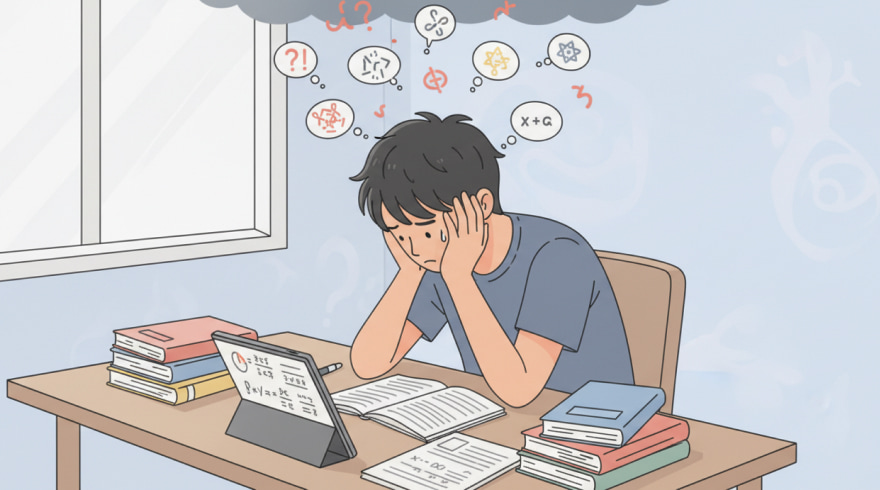
The teenage brain rewires rapidly, balancing novelty-seeking with an ultra-sensitive threat detector. Families often seek plain-language explanations about anxiety in teens so they can map what is typical and what deserves clinical attention. Clinicians describe anxiety as a protective alarm that can misfire when pressures stack up in academics, friendships, and identity development. When that alarm rings too often, school, sleep, appetite, and self-confidence can all wobble in ways that feel confusing and discouraging.
Culture, identity, and neurobiology intersect in complicated ways across middle and high school. Media headlines sometimes oversimplify teens anxiety, yet day-to-day experiences are rarely one-size-fits-all or easily predicted. A nuanced lens respects strengths, honors context, and invites collaborative problem-solving that involves youth voices, caregivers, and learning environments.
- Healthy arousal helps with exams and performances, while chronic dread erodes concentration.
- Genetics can prime the alarm system, yet habits and environments reshape how it fires.
- Supportive routines and compassionate coaching reduce reactivity over time.
- Language matters: naming patterns reduces shame and builds shared understanding.
Signs, Triggers, and When to Seek Help
Warning signs can be subtle at first, then snowball under academic or social pressure when stressors accumulate. Caregivers might notice shifts consistent with anxiety symptoms teens such as rest disturbances, irritability, avoidance of once-loved activities, and somatic complaints. Physical sensations like racing heart, trembling, or stomachaches often accompany cognitive spirals and “what-if” loops. Tracking frequency, intensity, and contexts across home, school, and online spaces can reveal patterns worth discussing with a trusted professional.
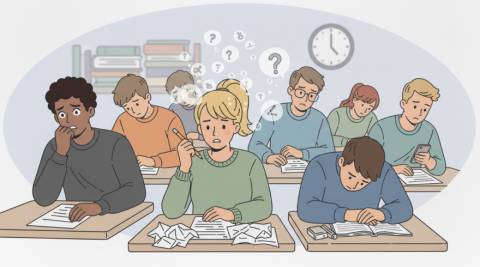
Peer dynamics can amplify discomfort in classrooms, cafeterias, and group activities where attention feels inescapable. Presentations and group projects frequently challenge social anxiety teens who fear negative evaluation or embarrassment during everyday participation. Early skills around exposure, self-compassion, and flexible thinking reduce impairment and help teens reclaim valued experiences without withdrawing from challenges.
- Common triggers include unstructured time, pop quizzes, crowded hallways, and perfectionistic grading cultures.
- Red flags: persistent avoidance, panic-like episodes, abrupt grade drops, or drastic social retreat.
- Document what helps and what hurts; small data points guide smarter next steps.
- Seek urgent care for safety concerns, severe functional impairment, or sudden behavioral changes.
Evaluation Pathways and Practical Tools
Clarity grows when families pair lived observations with structured, youth-friendly tools that map concerns to supports. Pediatricians often begin with brief checklists tailored to anxiety assessment teens and then refer to mental health specialists when scores indicate additional care. A stepped approach prevents overpathologizing, aligns intensity of care with actual need, and makes the process feel collaborative rather than punitive.
| Method | What it explores | Who uses it | Approx. time |
| Clinical interview | History, triggers, strengths, safety | Psychologist, psychiatrist, PCP | 45–90 minutes |
| Self-report scale | Symptoms, distress, impairment | Teen with clinician support | 10–20 minutes |
| Parent/teacher report | Behaviors across settings | Caregivers, educators | 10–15 minutes each |
| Functional analysis | Antecedents, consequences, skills | Behavioral specialist | Variable |
Scores never tell the whole story, yet they anchor conversations about goals, values, and readiness for change. Providers may combine a brief anxiety test teens with open-ended interviews to co-create a plan that respects identity, culture, and preferences. When results are shared transparently, motivation rises, stigma drops, and the path forward feels practical rather than mysterious.
- Bring notes about sleep, appetite, and school stress to the first appointment.
- Ask how results will guide therapy targets and short-term experiments.
- Request youth-friendly feedback so the teen understands the roadmap.
School, Peers, and Digital Life
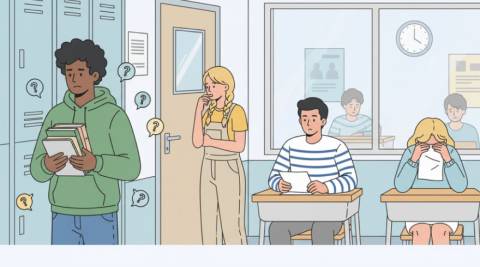
School is both a launchpad and a crucible where identity, competence, and belonging are constantly negotiated. Hallway traffic, lunchtime seating, and daily participation can overwhelm teens social anxiety during unstructured or spotlight moments. Inclusive routines, flexible participation options, and predictable choices buffer stress while preserving opportunities for growth.
Educators benefit from clarity about which supports are preventative versus reactive in busy classrooms. Counselors might deploy targeted tools for social anxiety assessment teens to align accommodations with concrete, measurable needs. Small wins compound when courageous practice is acknowledged publicly but gently, ensuring dignity and agency remain centered.
- Use “warm call” strategies, preview speaking turns, and allow brief preparation time.
- Offer graduated challenges: pair work, then small groups, then larger presentations.
- Normalize help-seeking and celebrate effort, not just outcomes.
- Create quiet recovery zones and flexible check-in routines during peak stress hours.
Evidence-Based Care and Everyday Skills
Effective care blends skill-building with compassionate, graded exposure to feared situations so confidence grows through action. Therapists using CBT or ACT tailor plans for social anxiety disorder teens while coordinating with caregivers and teachers to keep skills consistent across settings. When appropriate, physicians consider medication as a bridge alongside therapy, monitoring benefits, side effects, and goals.
Not every rough week warrants ongoing therapy, yet mindful check-ins can prevent escalation and reassure families. Schools and clinics increasingly adopt brief workflows for anxiety screening teens that triage risk, streamline referrals, and reduce waitlists. Practical routines at home, sleep regularity, movement, balanced nutrition, and values-based scheduling, reinforce gains and create resilience.
- Core skills: paced breathing, cognitive reframing, problem-solving, and values-driven exposure.
- Habits that help: consistent sleep, sunlight, hydration, and device boundaries.
- Relationship buffers: empathy, curiosity, and collaborative planning moments each week.
- Track progress with small metrics like attendance, participation, and recovery time.
FAQ: Straight Answers for Families and Educators
How common is clinically significant anxiety in adolescents?
Rates vary by community, stress load, and access to care, but significant anxiety is one of the most frequent mental health concerns in youth. Care teams also watch for developmental patterns like separation anxiety in teens when worries cluster around transitions or caregiver availability. Prevalence estimates help planning, yet individualized care should always guide the next step.
What is the difference between nerves and an anxiety disorder?
Nerves fluctuate with context and usually pass once a challenge ends, while a disorder lingers, intensifies, and interferes with daily functioning. Clinicians look for duration, impairment, and avoidance, not just intensity in a single moment. If distress reshapes routines or goals, a professional evaluation is wise.
Should my teen avoid stressful situations until therapy “works”?
Total avoidance can shrink life and strengthen the fear cycle, even when it feels protective. Some families use a brief social anxiety quiz teens as an easy starting reflection before planning graded, supported exposure. Therapy then weaves skills into real life so courage grows at a sustainable pace.
How can schools help without singling students out?
Collaboration is key: align classroom practices with small, predictable supports that preserve dignity. Flexible participation, gentle coaching, and private check-ins protect privacy while enabling progress. When students help design accommodations, buy-in and effectiveness rise together.
What if we tried therapy before and it didn’t help?
Therapy is not one-size-fits-all, and timing, modality, or provider fit can matter as much as the techniques. Consider a fresh evaluation, updated goals, or a different approach, and ask about measurement to track what changes between sessions. Iteration is normal, and each attempt teaches something useful for the next plan.